
Our Services
A referral is required. Please ensure you have one before booking an exam with our clinic.
Our Services
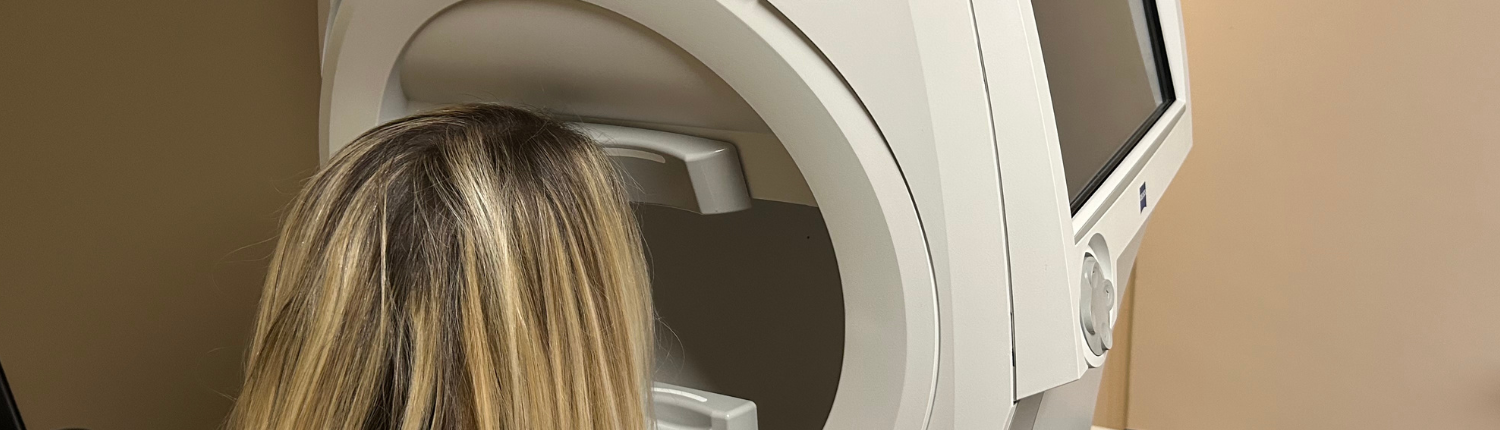
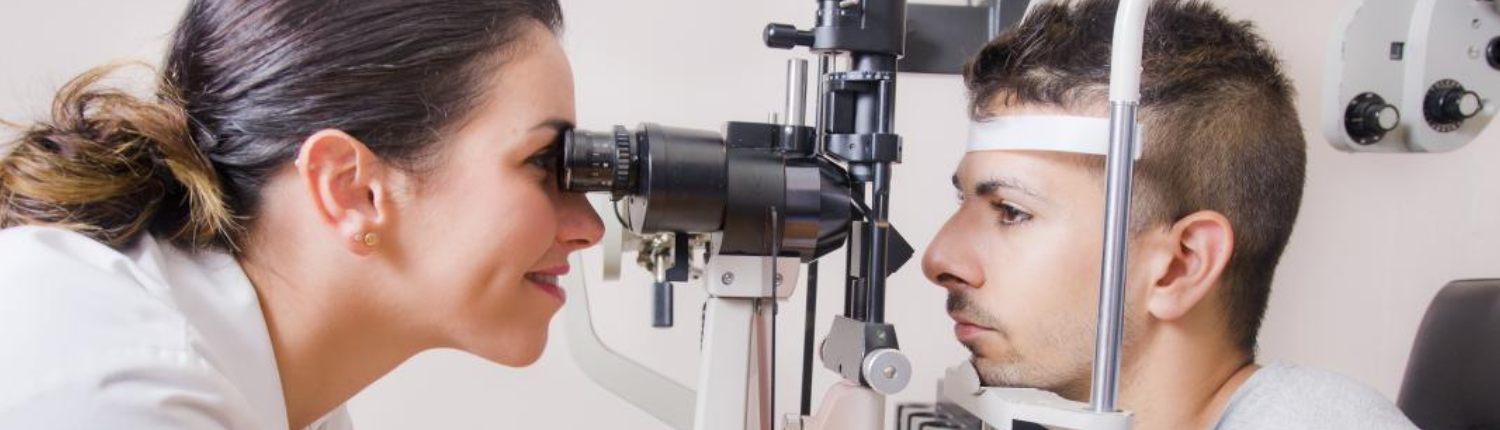
Huronia Eye Clinic provides comprehensive medical and surgical eye care for patients of all ages. Our clinic is equipped with advanced diagnostic technology that allows us to detect, monitor, and manage a full spectrum of ocular conditions—from glaucoma and cataracts to macular degeneration, diabetic retinopathy, retinal vein occlusions, and other complex eye diseases.
Our ophthalmology team combines clinical expertise with warm, patient-centered care, taking the time to understand each individual’s symptoms, medical history, and visual concerns. Whether we are evaluating retinal health, treating chronic eye conditions, performing laser procedures, or providing ongoing long-term disease management, our focus is always on preserving and protecting your vision.
At Huronia Eye Clinic, exceptional eye care means more than performing a procedure—it means educating patients, preventing progression, and offering continued support throughout every stage of treatment. We ensure each patient feels informed, confident, and cared for throughout their visit and beyond.
Our Services
Huronia Eye Clinic provides comprehensive medical and surgical eye care for patients of all ages. Our clinic is equipped with advanced diagnostic technology that allows us to detect, monitor, and manage a full spectrum of ocular conditions—from glaucoma and macular degeneration to diabetic retinopathy, retinal vein occlusions, and other complex eye diseases.
Our ophthalmology team combines clinical expertise with warm, patient-centered care, taking the time to understand each patient’s symptoms, medical history, and visual concerns. Whether evaluating retinal health, treating chronic eye conditions, performing laser procedures, or providing long-term disease management, our focus is always on preserving and protecting your vision.
Exceptional eye care means more than performing procedures—it means educating patients, preventing progression, and supporting them through every stage of treatment.
What does a comprehensive eye exam include?
Your optometrist and family doctor are trained to screen for eye disease and can refer to Dr. Scanlan.
Do I need a referral for an eye exam?
Yes, Dr. Scanlan sees patients by referral through your optometrist or a medical practitioner.
Are eye exams with Dr. Scanlan covered by OHIP?
Yes, appointments with Dr. Scanlan are covered by OHIP. There may be extra fees for optional specialized tests that assist in diagnosing or monitoring eye disease.
EYE EXAMINATIONS
Treatment for retinal disease, glaucoma, eyelid conditions, and general ophthalmology.
Intravitreal Injections
An intravitreal injection is a procedure where medication is placed into the eye to treat retinal diseases such as macular degeneration, diabetic retinopathy, and retinal vein occlusions.
Are intravitreal injections painful?
Most patients feel pressure but not pain. The eye is numbed with drops beforehand, making the procedure well tolerated.
How long does the procedure take?
The injection itself takes only a few seconds. Your entire visit, including preparation and aftercare, is usually 10–15 minutes.
Why do I need repeated injections?
Retinal diseases often require ongoing treatment. Regular injections help stabilize vision and prevent disease progression.
What will my vision be like after the injection?
Your vision may be cloudy for a few hours due to the cleaning solution or micro bubbles. This is temporary and typically resolves the same day.
Are there risks with intravitreal injections?
Complications are rare, but risks include infection, increased eye pressure, floaters, or retinal detachment. Our team takes every precaution to ensure your safety.
Can I drive after the injection?
Most patients can drive afterward, but we recommend arranging a ride the first time to see how your eyes respond.
What conditions are treated with intravitreal injections?
- Wet Age-Related Macular Degeneration
- Diabetic Macular Edema
- Diabetic Retinopathy
- Retinal Vein Occlusions
What medications are used?
Common medications include anti-VEGF agents and steroids, depending on your diagnosis.
How do I prepare for my appointment?
No special preparation is required. Continue your medications unless instructed otherwise.
What medical eye conditions are treated with laser?
Laser eye treatments address glaucoma, retinal tears, diabetic retinal disease and posterior capsular opacifications.
Is laser surgery safe?
Yes—these procedures have well-established safety records and are commonly performed worldwide.
Is laser treatment painful?
Most patients feel mild pressure or a light tapping sensation. The procedure is generally quick and well tolerated.
How long is the appointment?
Laser treatments typically take 5–15 minutes, with a short recovery period after.
Do I need someone to drive me home?
You may experience temporary light sensitivity. Some patients drive themselves home, but arranging a ride is recommended for your first visit.
How soon will I notice results?
Results vary by procedure:
- Glaucoma: 4-6 weeks
- Laser capsulotomy: 24 hours
- Retinal tears: sealing is immediate, but follow-up is required
- Diabetic retinopathy laser: gradual improvement over weeks to months
Are laser treatments covered by OHIP?
Yes. All medically necessary retinal and glaucoma laser procedures are covered.
What conditions require urgent laser treatment?
Retinal tears often require same-day or next-day laser to prevent retinal detachment.
What should I expect after the procedure?
You may have light sensitivity or mild discomfort for a short time. Vision usually returns to normal within a few hours.
Laser Eye Treatments
Huronia Eye Clinics perform several advanced in-office laser treatments to address common and urgent eye conditions:
- Peripheral iridotomies for narrow-angle glaucoma
- ALT and SLT laser therapy
- Laser retinopexy for retinal tears
- Pan-retinal photocoagulation (PRP) for diabetic and neovascular retinal disease
These minimally invasive procedures help restore vision, stabilize disease progression, and prevent complications that may threaten sight.
Oculoplastic Procedures
Our clinic provides minor eyelid and peri-ocular procedures to improve both function and appearance. These include:
- Blepharoplasty repair to correct drooping eyelids that affect vision
- Removal of cosmetic eyelid lumps and bumps, such as cysts, skin tags, or benign growths
- Repair of OHIP-insured eyelid disorders such as ectropion, entropion, eyelid cancers, and styes.
These procedures are performed with precision, often using local anesthesia, and typically involve minimal recovery time.
Are these procedures covered by insurance or OHIP?
Coverage depends on whether the condition affects vision or eye health. Cosmetic procedures are usually not covered.
How long is recovery?
Most patients experience mild swelling or bruising for a few days, with minimal downtime.
Are the results permanent?
Results vary by procedure, but many offer long-lasting improvements in both function and appearance.
What does this cover?
- Glaucoma
- Corneal disease
- Neuro-ophthalmology
- Inflammatory eye disease
Comprehensive Medical Ophthalmology